

The 3 Types of Catering Services Explained
Catering plays a central role in how people gather, connect, and enjoy food across the UK. With the market valued at £1.4 billion1 and continuing to grow, operators are increasingly focused on delivering quality and consistency at scale through smart operations and culinary solutions.





Whether it’s nourishing staff in workplace restaurants, enhancing guest experiences in hotels, or delivering outstanding food at large-scale events, catering shapes how people feel, interact and remember an occasion.
With customer expectations rising and competition intensifying, operators are under pressure to deliver consistent, high‑quality food while managing costs and meeting sustainability goals.
This guide explores the key types of catering services and brings them to life with practical examples, expertise, and focus on real business needs.
Catering Services Today
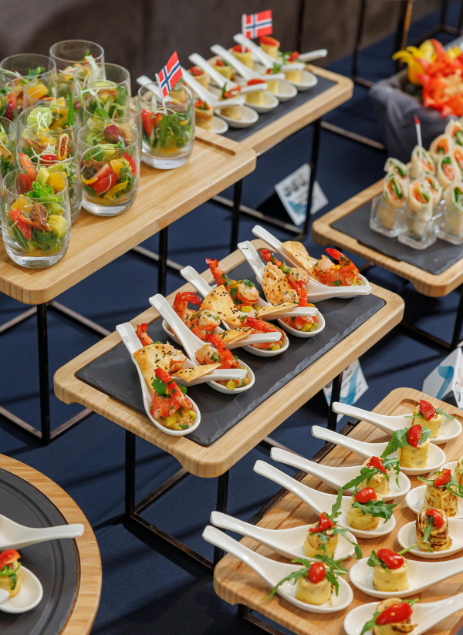
Catering is much more than producing meals; it is the combination of culinary skill, operational planning and service delivery that creates an experience. A well-designed catering service can energise employees during a busy working day, elevate the atmosphere of a wedding, or make guests feel welcome at a conference or exhibition.
Industry research consistently shows that food and catering play a critical role in shaping event attendee satisfaction, but expectations don’t stop there. Guests aren’t only looking for a good meal, with two in five2 prioritising the overall experience and atmosphere.
Today’s customers value variety, convenience, and quality. They expect dishes inspired by global flavours, clear dietary options, thoughtful presentation, and a smooth service journey from start to finish. As a result, caterers are evolving rapidly, supported by smart equipment, innovative menu solutions and reliable supplier partnerships.
Characteristics of a Successful Catering Company
- Strong operational planning
- Consistent food quality at scale
- Menu flexibility and variety
- Service excellence
- Efficiency and speed of delivery
- Attention to experience and presentation
- Cost and waste control
- Adaptability
- Reliable supplier partnerships
Commercial Catering
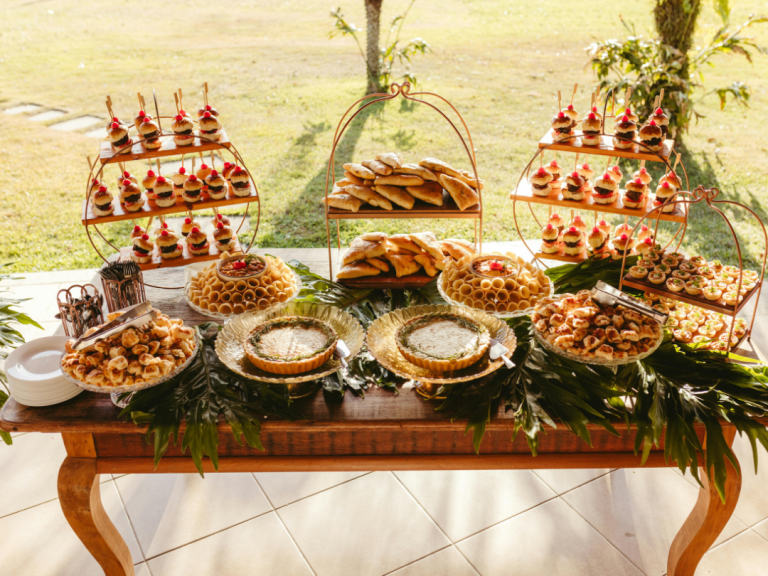
Commercial catering covers the broadest range of professional food service operations. From corporate functions and weddings to workplace dining and hospitality venues, it includes any paid-for service delivered by trained catering teams.
Combining logistical expertise with culinary craftsmanship, commercial catering services deliver food and beverages directly to customers at their chosen locations, balancing quality with operational efficiency.
Typically provided by restaurants, hotels, and specialist catering teams, these services operate within a profit‑driven model that prioritises customer satisfaction and convenience. Flexible menu design, adaptable service styles, and tailored event themes allow caterers to meet the specific needs of each client and occasion.
Below are the three most common forms of commercial catering: event, service, and location catering.
1. Event Catering
Event catering is one of the most diverse and creative parts of the industry. It adapts to the purpose, scale, and setting of each event, delivering food and service designed to enhance the overall experience.


Corporate Events Catering
Imagine a full-day industry conference where the goal is to keep delegates energised and engaged. Guests might begin their day with pastries, yogurt pots, fresh fruit and freshly brewed, bean to cup coffee. During lunch, an abundant buffet featuring salads, hot dishes, wraps and lighter options provides variety, while keeping service efficient. A canapé reception sets the tone for informal networking in the evening.
Wedding Catering
Every wedding is unique, which means every menu needs to be tailored to the couple and setting. A rustic barn venue may favour relaxed grazing tables filled with cured meats, dips, artisan breads and seasonal vegetables. By contrast, a luxury hotel wedding may feature a refined three-course plated service with elegant desserts and champagne toasts. Timing, presentation, and emotional impact are just as important as the food itself.
Product Launch Catering
Brands often use catering to extend their identity and theme. For example, a beauty brand launch might include fresh, colourful dishes like poke bowls or fruit-forward canapés to mirror a wellness message. A tech brand may lean towards bold global flavours such as bao buns or modern fusion dishes to convey innovation and creativity. Food becomes part of storytelling, not just a supporting element.
Bold global flavours such as Korean or Malaysian street-food concepts tap directly into consumers’ appetite for adventure, with over half regularly exploring new cuisines when eating out.3
Community and Charity Events Catering
Community and charity events require menus that balance quality, practicality and cost control. Menus are planned with budgets and seasonality in mind plus taking any operational constraints into account to ensure guests feel welcomed while budgets are carefully managed. Efficiency and inclusivity are key, with food often playing a role in bringing people together.
Key Characteristics to Keep in Mind
| Corporate Events | Weddings | Product Launches | Community and Charity |
|
|
|
|
At-a-Glance Challenges
| Corporate Events | Weddings | Product Launches | Community and Charity |
|
|
|
|
2. Service Catering
Service catering focuses on how food is served and how guests interact with it. The right service style can transform the atmosphere and flow of an event.
Plated service
Ideal for formal dinners, awards ceremonies or VIP occasions. Every plate is delivered with precision, offering restaurant-level presentation and portion control.
Buffet service
Common in workplace dining, conferences and community events. Buffets offer flexibility, choice and speed, allowing guests to tailor their meals while easing service bottlenecks.
Food stations
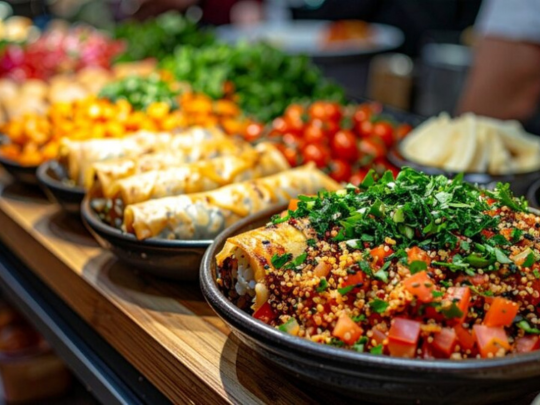
Live cooking or themed stations create theatre and interaction. Whether it’s fresh pasta, stir-fry bowls, dessert crêpes or world-food counters, stations make events feel dynamic and personalised.
Canapés
Perfect for pre-event drinks or networking sessions. Bite-sized dishes encourage movement and conversation without interrupting the flow of the event.
Drop-off catering
A practical solution for meetings, training sessions or low-staff environments. Caterers deliver high-quality, ready-to-serve meals without on-site personnel.
Many operators today are also focused on minimising waste and improving efficiency. Accurate guest forecasting, smart stock management and versatile menu planning all help businesses meet sustainability targets while protecting margins.

3. Location Catering
Location catering is defined by where the food is produced and served, which strongly influences logistics and menu options.
On-premise catering
Food is prepared in a permanent kitchen on site. Schools, hospitals, workplace restaurants and hotels use this model for consistent daily service.
Off-premise catering
For events held in locations without kitchens—such as marquees, heritage venues or outdoor sites—caterers bring temporary cooking facilities, equipment and trained staff.
Mobile catering
Food trucks, vans and pop-up kiosks bring flexibility and fun. They’re increasingly used for corporate summer parties, university welcome events and outdoor celebrations, offering options like stone-baked pizzas, gourmet burgers or artisan ice cream.
Location catering requires strong planning. Everything from power availability and transport logistics to safety compliance and weather conditions can shape the final menu.
How Nestlé Professional Supports Catering Companies in Practice
Nestlé Professional supports catering companies by helping them deliver consistent quality, innovative products, operational efficiency and menu flexibility, even under the pressure of a high‑volume, time‑sensitive service.
Supporting consistency at scale
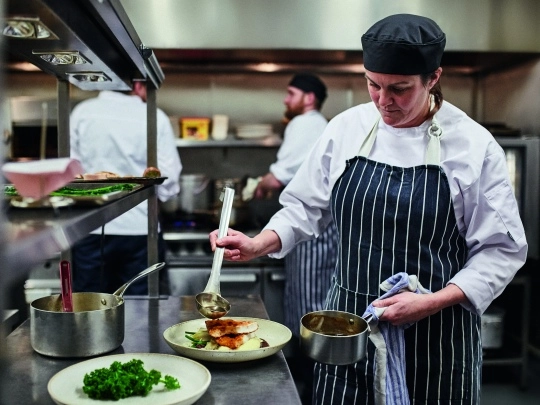
Nestlé Professional develops and manufactures foodservice ingredients and beverage solutions designed to perform reliably in high‑pressure environments. Consistent flavour, portion control and ease of preparation help caterers maintain standards across large environments, particularly for hot dishes and desserts.
In professional kitchens, MAGGI® solutions support consistency across hot dishes, sauces and bases—helping chefs deliver dependable flavour and results, even when cooking at scale or under time pressure.
Our guide to thickening gravy provides practical methods for achieving consistent texture during busy, high-volume service.

Improving speed and operational efficiency
Time‑saving products and formats reduce on‑site preparation without compromising quality. This allows catering teams to focus on service execution, helping events run smoothly during peak service windows.
In beverages, NESCAFÉ® solutions and commercial coffee machines enable caterers to deliver consistent, high‑quality coffee quickly, without requiring specialist barista skills. This is especially valuable for conferences, exhibitions and large‑scale events where speed and reliability are essential.
Helping manage costs and protect margins
With rising operational costs across the sector, Nestlé Professional solutions help caterers design menus that balance quality with cost control. Reliable yields, reduced waste and predictable performance support better margin management.
Reducing waste and supporting sustainability goals
Accurate portioning, versatile ingredients and efficient preparation help minimise over‑production—one of the biggest challenges in catering. This supports both sustainability commitments and profitability.
Reliable partnership
Beyond products, Nestlé Professional acts as a long‑term partner, offering insight‑led guidance aligned with evolving catering trends, helping businesses stay competitive as client expectations and market conditions change
Exceptional catering is about delivering experiences that stay with people through flavour, service, atmosphere, and connection. Whether preparing thousands of meals each week in a workplace restaurant or crafting bespoke menus for high-profile events, caterers play a vital role in shaping moments that matter.
At Nestlé Professional, we proudly support the sector with high-quality products, culinary insights and innovations that help operators deliver great food and great service every day. From versatile ingredients to beverage solutions and expert guidance, we partner with businesses to achieve excellence with confidence.


