

2026 Catering Trends: Bringing Hospitality to Life in the UK
Catering in the UK is transforming rapidly. Rising costs, increasing guest expectations and the growing demand for memorable dining moments are reshaping how chefs design menus, elevate experiences, and deliver value. With 64% of diners excited to discover new food and beverages in 2026¹ and 46% eager to try the latest concepts¹, innovation is no longer optional, it’s essential.





Today’s diners want authenticity, connection, sensory impact, and healthier choices. These expectations shape not only what caterers prepare but how they present and deliver food. Below is a look at the biggest catering trends impacting UK hospitality, brought to life with practical examples, including some of our ingredients, which are designed to help chefs create memorable, modern menus.
1. Quality and Authenticity Matter More Than Ever
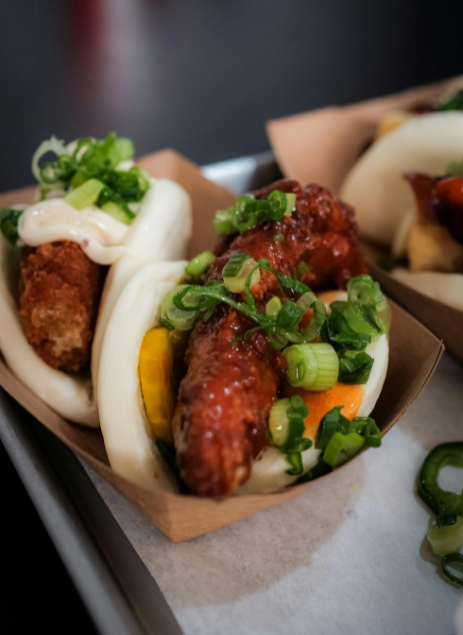
Diners today are exploring food with more curiosity and confidence than ever before. With 54% eager to try global dishes when eating out², caterers have a prime opportunity to introduce flavours from across the world in ways that feel both adventurous and authentic.
Authenticity lies in detail, respecting flavour combinations, showcasing regional techniques, and understanding the cultural story behind each dish. This is inspiring caterers to introduce options such as:
- Fresh and vibrant Peruvian ceviche stations, complete with citrus‑marinated fish and punchy chilli tones
- Soft, pillowy Korean bao buns filled with gochujang chicken for weddings and parties seeking contemporary twists
- Immersive Malaysian laksa bowls made with aromatic spice blends and rich coconut broth for corporate events
Guests are also thinking more deeply about the ingredients. Many are choosing dishes that use familiar, trustworthy components and traditional preparation methods³, reinforcing the need for clear, flavour‑led cooking. MAGGI® bouillons, seasonings and sauces help chefs maintain flavour consistency and quality when cooking at scale.
Quality continues to be a deciding factor in guest satisfaction. With 75% of consumers identifying as “very quality‑led” ⁴, diners increasingly expect depth, craftsmanship and consistency. Even subtle enhancements like adding roasted aromatics, finishing oils or slow-cooked elements can turn everyday dishes into memorable experiences.
2. Community-Led Dining and Social Connection
Dining has become as much about the experience as the food itself. With 73% of diners drawn to small plates, 68% enjoy sharing platters and 60% opting for group dishes⁵, guests are embracing formats that encourage interaction, exploration and a more relaxed pace of eating.
These formats help remove the pressure of choosing something unfamiliar while encouraging guests to try new flavours at their own pace. They naturally spark conversation, bring people together, and create a sense of shared experience - making them a standout choice for events of all sizes.
This shift is giving caterers room to get more creative with how food is presented and enjoyed. Popular approaches include:

Layered with roasted vegetables, dips, olives and warm flatbreads, ideal for corporate gatherings

Bao buns, tacos, gyros or laksa shots, allowing guests to sample different flavours without committing to one dish

Such as a Masala Fries Station with toppings like chickpeas, herbs, spices and yoghurt drizzle, perfect for informal events or student settings

Complete with pastries, egg dishes and small savoury bites, offering a laid‑back, social atmosphere for daytime occasions
3. Sensory and Immersive Dining Experiences
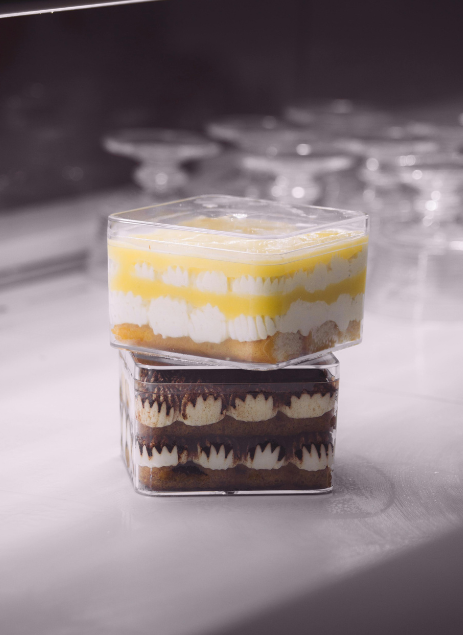
Guests today aren’t just looking for great flavours. They want food that feels exciting. With 74% of consumers saying they’re more likely to visit venues offering elevated experiences⁶, sensory storytelling has quickly become a key part of modern catering.
Caterers are finding creative, memorable ways to bring this to life, often through small touches that have a big impact. Examples include:
- Layered desserts that combine smooth creams, warm sauces and crunchy toppings for a multi‑texture moment
- Tableside finishing touches, such as herb‑infused steam, citrus zesting or smoked aromatics, adding theatre and freshness right before serving
- Vibrant, colourful dishes like beetroot hummus, turmeric flatbreads and chocolate‑drizzled traybakes that stand out visually and encourage social sharing
- Interactive dessert bars featuring MILKYBAR® Mix‑in White Chocolate Chips or KITKAT® Sauce, offering guests playful customisation and indulgence
These sensory elements elevate events of all kinds from gala dinners and award nights to weddings and corporate showcases. And importantly, they don’t always require complex preparation; even simple visual contrasts, bold garnishes or thoughtful plating can transform the guest experience and create “wow” moments remembered long after the event.
4. Healthier and Functional Choices
Health and wellbeing continue to shape how guests choose what to eat. Nearly half of Gen Z (49%) are reducing alcohol intake for health reasons⁷, signaling a growing demand for sophisticated alcohol‑free options. While 48% of consumers claim to be exploring nutrient‑dense ingredients like oily fish, berries and nuts, 47% are choosing dishes built around wholesome, recognisable components⁸. Caterers are embracing this shift by developing menus that feel balanced and varied.
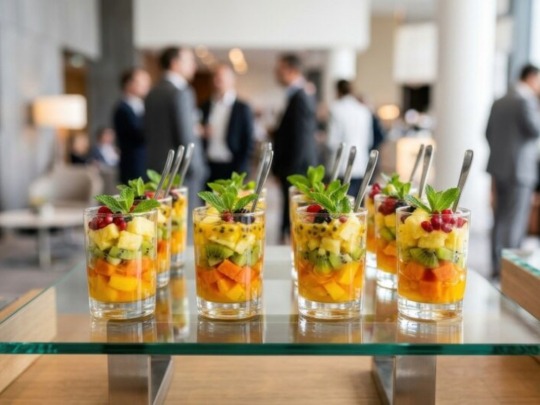
Popular approaches include:
- Conference menus, featuring whole grains, lean proteins, berries and slow‑release carbohydrates to support focus throughout the day
- Cooling dishes for summer events such as melon salads, citrus bowls, and chilled noodle dishes that taste refreshing and light
- Premium mocktail bars using botanicals, fresh herbs, fruit purées and flavoured ice cubes, ensuring non‑drinkers have an equally exciting experience
- Wholesome, flavour-rich, ingredient‑led dishes, spotlighting vegetables, pulses, nuts, seeds and healthy fats.
These options help guests feel supported rather than restricted, offering delicious alternatives that still feel indulgent and satisfying. They also align perfectly with the growing preference for inclusive menus that cater to a wide range of tastes, lifestyles, and dietary needs.
Catering in 2026 is shaped by authenticity, connection, sensory richness, and wellness. Guests expect intentional, flavour-driven experiences that feel modern and meaningful.
With our trusted ingredients and chef‑focused support, we help kitchens innovate with confidence and create menus that truly connect with today’s diners.
References
Datassential (2026). 2026 Food Trends Report.
CGA by NielsenIQ and Bidfood (May 2025). 2026 Food and Drink Trends Consumer Survey.
The Caterer (2026). Food Sector Trends.
Bidfood (2026). Food and Drink Trends 2026.
CGA by NielsenIQ and Bidfood (May 2025). Consumer Survey.
Zonal and CGA by NIQ (2025). GO Technology Report.
Datassential (2026). Food Trends Report.
CGA by NielsenIQ and Bidfood (May 2025). Consumer Survey.


