

The Different Types of Gravies: A Chef’s Guide to Sauces and Flavours
Crucial for professional kitchens, gravies (classic, seasonal, plant-based, and convenience) offer versatile ways to enhance flavour and texture. Mastering their diverse global forms elevates menus, meets varied customer preferences, and ensures consistently satisfying, inclusive dining experiences.





A perfectly crafted gravy can transform a good meal into an exceptional one. It brings depth, richness, and harmony to each dish – from refined restaurant creations to simple and comforting dishes in workplaces, care homes, or schools.
Mastering different types of gravies opens up endless possibilities to enhance flavour, add value to menus, and meet diverse customer expectations. From classic British brown gravies to plant-based alternatives and international variations, understanding the versatility of gravy is essential for any professional kitchen.
In this article, we explore the diverse world of gravies. From the fundamentals and seasonal favourites to global variations and pairing strategies that will help you elevate your menus.
Understanding Gravy Basics
Gravy is a savoury sauce traditionally made from the juices released by meats during cooking. With deep roots in British culinary history, it has evolved over centuries from simple meat drippings into the refined sauces we know today.
Although it’s difficult to pinpoint its exact origins, one of its earliest mentions is found in the 14th century recipe book, ‘The Forme of Cury’. The word ‘gravy’ is believed to originate from ‘gravé’ or ‘grané’ – old French terms for spiced meat broth.
The main purpose of gravy is to boost flavour, add moisture, and bind various elements of a dish – creating a balance of flavours and textures that bring it together.
Key gravy ingredients include:
- fat (such as butter or pan drippings),
- a thickener (typically flour or cornstarch),
- a stock or bouillon, and
- seasonings that complement the base dish (such as herbs or spices).
There are several methods for gravy preparation:
- A roux-based gravy – which begins with fat and flour cooked together before adding liquid.
- A pan drippings gravy – which incorporates the browned bits left from roasting meat.
- A slurry-based gravy – where a starch mixture is whisked into liquid for quick thickening.
A quality gravy ticks multiple boxes. It achieves depth of flavour, a smooth and glossy texture, and a balanced consistency that isn’t too thin or heavy.
Popular Types of Gravies
Core roast gravies remain menu essentials throughout the year. These classic brown gravies are made from meats such as chicken, beef, and lamb, or game. They gain complexity from deglazing with wine or stock, followed by a gradual reduction and seasoning. Extra layers of flavour such as roasted bones and herbs add depth. To create consistency across every dish, ensure that your gravy is finely strained, emulsification is controlled, and it is reheated to order.
These core gravies remain valuable throughout the seasons thanks to their versatility. Sunday roasts rely on quality gravies, as do pies, sausages and mash, and elevated dishes like Beef Wellington.
Find inspiration on incorporating different gravies into your menu with our main course recipe ideas.
Christmas Gravy and Other Popular Seasonal Varieties
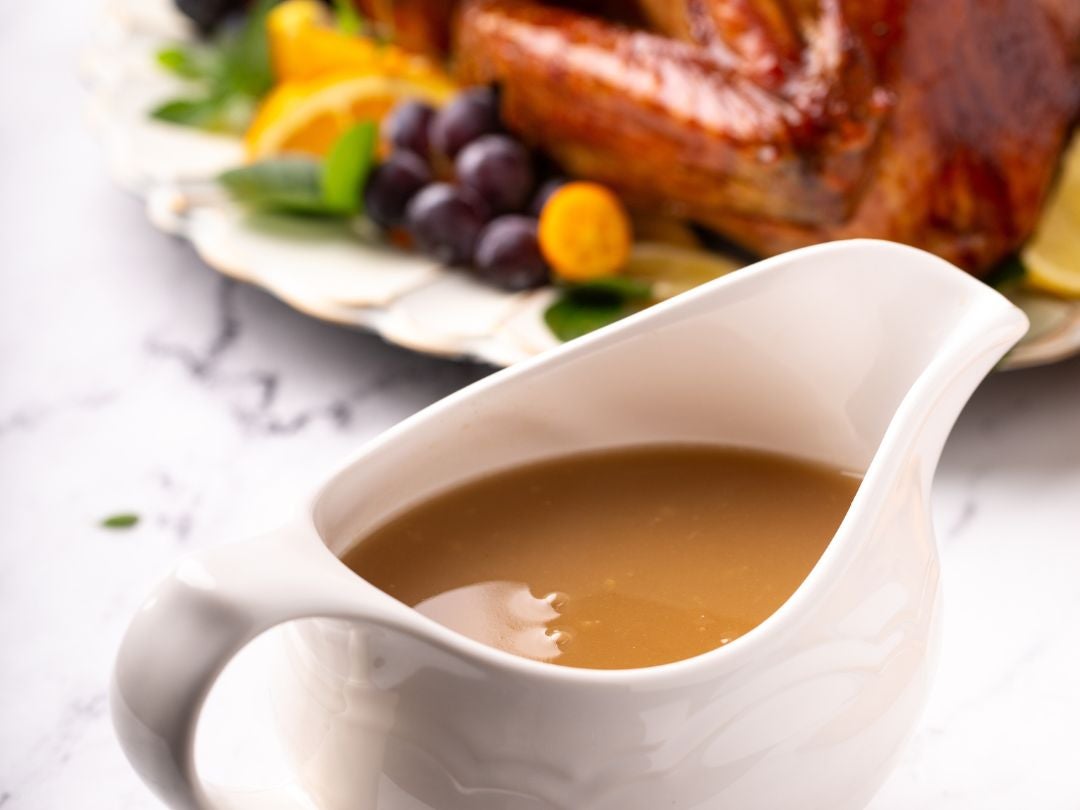
During the festive season, Christmas gravy takes centre stage on any menu. It’s typically found in Christmas roasts such as turkey, goose, or beef. However, it also appears in other inventive ways – such as a dip for starters or in Yorkshire pudding ‘wraps’.
A premium Christmas gravy is rich, glossy, and savoury. Beyond its meat base, it contains caramelised vegetables and quality stock. Even seasonal ingredients like cranberry sauce, chestnut purée, port, or sherry can be added for a rich, festive taste.
For a busy holiday service, consistency and timing are crucial to a Christmas gravy. Prepare base stocks ahead of time, use clarified drippings to avoid greasiness, and finish with controlled thickening. This ensures every plate that leaves your kitchen maintains the same exceptional quality, even during peak service.
Vegetarian and Vegan Gravy
In the UK, vegetarians make up 7% of the UK population, and vegans account for 3%.1 What’s more, 10% of the Great British population are reducing or eliminating animal products in some way.2
With meat-free diets accounting for a significant portion of the population, serving vegetarian and vegan gravy ensures your menus are as inclusive as possible.
Creating rich, satisfying plant-based gravies relies on developing umami depth through ingredients like:
- roasted mushrooms,
- caramelised onions and shallots,
- miso paste,
- soy sauce or tamari,
- nutritional yeast,
- tomato purée, and
- dried herbs and vegetable stock.
For thickening, vegetarian gravy may include a roux made with plant-based spread, or additions such as blended vegetables like carrots or celeriac, which add body whilst contributing natural sweetness and depth.
The key is layering flavours through proper browning and reduction, ensuring your plant-based gravy delivers the same satisfaction as traditional meat-based versions.
Convenience Gravies in Professional Kitchens
For busy kitchens or specific applications, creating gravy from scratch is not always feasible. Instead, high-quality granulated or powdered gravies, or gravy bases, are an excellent strategic alternative that deliver on flavour. These convenience gravies offer speed, cost control, and consistency between batches – all essential elements during peak service.
The beauty of convenience gravies lies in their versatility. Chefs can enrich commercial gravy with pan drippings, fresh herbs, and a splash of wine. By blending both convenience and scratch-cooking methods, kitchens can deliver high standards and maintain operational efficiency.
For professional kitchens looking for quality convenience gravies, explore MAGGI® Professional’s versatile and easily customisable gravy solutions:
MAGGI® Professional Original Gravy | MAGGI® Professional Gluten Free Vegetarian Gravy | |
|---|---|---|
| A staple used by chefs to accompany a wide variety of classic meat dishes, delivering a consistent flavour. | Thick, glossy, and flavourful, it is an ideal base for kitchens catering to different dietary requirements. | |
| Ingredients | Ingredients: WHEAT flour, modified corn starch, iodised salt (salt, potassium iodate), flavour enhancer (monosodium glutamate), flavourings (WHEAT), maltodextrin, colour (ammonia caramel), sugar, contains sunflower oil and/or palm oil, onion, acid (citric acid), sage, basil, bay leaf. May contain MILK, EGG, SOYA, CELERY and MUSTARD. | Potato starch, rice flour, salt, sugar, caramelised sugar, yeast extract, maltodextrin, flavourings, onions, herbs (coriander, sage, bay leaf), acid (citric acid), garlic. May contain MILK, EGG, SOYA, CELERY and MUSTARD. |
| Characteristics |
|
|
| Capabilities |
|
|
Cultural Gravy Variations
Global research has found that consumers value recipes that are traditional to their cultures, with heritage offering comfort in uncertain times.3
So far, we’ve explored how gravy has become a staple of traditional British cuisine – from roast dinners to other comforting classics.
Now let’s discover how cuisines around the world have developed their own distinctive gravy recipes and traditions…
- French and Italian Braising Gravies: Gravies are integral to French and Italian slow-cooked classics. Dishes including Coq au Vin and Osso Buco are based on the slow reduction of meat juices, vegetables, and liquids like wine and stock. They are typically finished with a gentle reduction or with added butter for a velvety gravy texture.
- Canadian Poutine Gravy: A thick, dark, and deeply savoury gravy completes this Canadian comfort food. Traditionally made from beef or chicken stock, flour, butter, and pan drippings, it’s often seasoned with pepper, garlic powder, and Worcestershire sauce. Adding umami notes to crisp fries and melting cheese curds.
- Japanese Curry Gravy (Katsu Curry): This rich, mildly spiced curry sauce balances sweet and savoury flavours. Ingredients can include a roux made from butter, flour, and spices (such as curry powder), combined with a meat broth. Thick and fragrant, it’s typically served with breaded cutlets and rice.
- Indian 'Gravies': While not ‘gravy’ in the Western sense, many Indian dishes feature rich, thick sauces that serve a similar purpose of enhancing flavour and moisture for curries. Often tomato, onion, or yoghurt-based, they are cooked with spices like cumin, coriander, turmeric, and garam marsala.
- Scandinavian Brown Sauce: ‘Brun Saus’ is a classic Nordic brown gravy, which often accompanies meatballs, roast meats, and potatoes. Its distinct flavour profile is made from butter, flour, and meat stock or broth. Additions vary by country – with ingredients like vinegar or port, ‘brown cheese’, warm spices, cream, or soy sauce adding extra depth.
Pairing Gravies with Meals
With varying meat bases, spices, and flavours, how can you choose the right gravy for each dish? Below are some key considerations for perfect pairings:
- Complement meats and flavours: Aside from pairing a specific meat gravy to the same meat, consider gravy intensity. Robust wine-reduced gravies enhance the richness of beef and game, whereas lighter, herb-infused gravies pair well with poultry.
- Consider plant-based flavour pairings: Choose a plant-based gravy that pairs well with your vegetarian and vegan dishes. Mushroom, caramelised onion, or miso-based gravies work well with plant-based roasts, vegetables, and lentil dishes.
- Think creatively: Consider using gravy across existing menu items such as hot sandwiches and toasties, starters (with a gravy dip), or even American-style breakfast dishes.

Vegetarian Beetroot Wellington with Mushroom & Merlot Gravy

Steak and Ale Pie Recipe

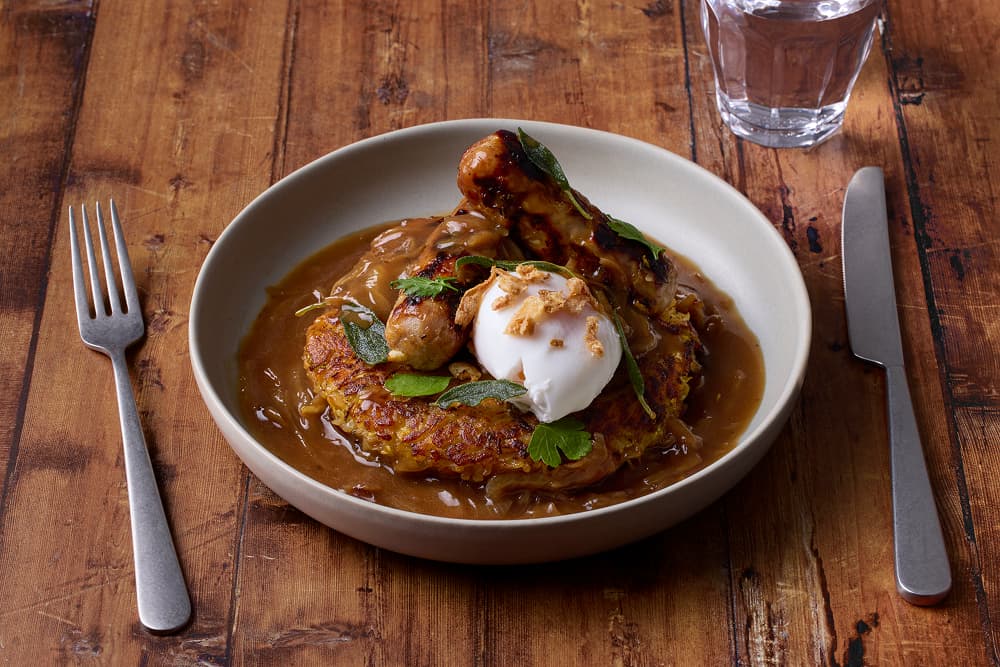
Bubble & Squeak with Roast Onion Gravy
Conclusion
With its adaptability for different occasions and its culinary significance across world cuisines, gravy is a simple yet powerful tool in your kitchen. With gravy’s ability to enhance depth of flavour and richness, a quality catering gravy can transform a meal from good to exceptional.
From scratch-made to convenience gravies, there are a variety of options to suit your menu and budget. If you are interested in high-quality commercial options, click here to discover Nestlé Professional’s range or contact our expert team.