

A Guide to Coffee Roasting: The Process, Types, and How to Choose the Ideal Roast for Your Business
Coffee roasting involves applying heat to green beans to develop their flavour, progressing through distinct stages to create light, medium, medium-dark, and dark roasts. Each roast type offers unique taste profiles and brewing compatibilities, making it essential for businesses to strategically choose their offerings to meet varied customer demands.





In the UK, 7.9 million adults drink coffee out of home each week1. Behind every cup lies the art of coffee roasting: a process of applying heat to raw coffee beans that shapes the flavour of each sip. From early methods of roasting beans in pans over open fires to today’s specialised roasting techniques, the practice has evolved significantly over centuries.
Great coffee starts with high-quality green (raw) beans. Roasting unlocks their potential – with time, temperature, and airflow serving as the roaster’s tools for flavour development. Each roast level (such as ‘light’, ‘medium’, or ‘dark’) offers a unique profile, with distinct flavours and aromas.
In this article, we’ll explore more about this process. From the different types of coffee roasts to flavour and aroma development, plus tips on choosing the perfect roasts for customers in your environment.
What is the Coffee Roasting Process?
The roasting process transforms green coffee beans through carefully controlled heat to enhance and develop their flavour. Centuries ago they were roasted on open fires, and now specialised machines create different roast levels. But the goal remains the same – to unlock flavour through precise coffee roasting temperatures and timings.
Quality beans are essential. Even the best roasting cannot fully enhance and develop poor-quality beans. Roasting enhances the inherent flavours already present in the beans, which is why choosing high-grade, sustainably sourced beans is fundamental to a great-tasting cup of coffee. This matters to consumers too, with increasing demand for responsibly sourced coffee in the UK2.

Key Stages in the Roasting Process
The coffee roasting process occurs in four stages:
- Drying (160–190°C): Beans shed moisture, turning from green to yellow, as the flavour development begins.
- Browning (190–220°C): Sugars caramelise, and the first crack (a popcorn-like pop at around 196°C) signals the beans are expanding, releasing bright notes like citrus or berry. During this stage, an exciting process called the ‘Maillard reaction’ occurs. As beans absorb heat, amino acids and sugars react, causing the beans to darken and develop complex aroma profiles.
- Development (220–240°C): This stage applies to medium-dark and dark roasts, where roasters further develop flavours. A second crack at 224°C happens when the oils inside the beans migrate to the surface – adding bold tastes like chocolate or smoke.
- Cooling: Rapid cooling locks in the desired roast development – stopping the beans from roasting further.
The roast time and coffee roasting temperature affects bean composition – influencing its taste and aroma. It does this by degrading the bean’s carbohydrates and acids, while forming new compounds that create flavour and aroma.
Raw green coffee beans are high in various acids and have more carbohydrates. Lighter roasts (exposed to lower temperatures and roast times) keep their acidity.
Darker roasts (exposed to higher heat and longer roasting time) tend to be less acidic. They can also offer richer flavours as roasting breaks down carbohydrates through hydrolysis and caramelisation.
What Are the Four Types of Coffee Roasting?
The four coffee roast types are light, medium, medium-dark, and dark. Let’s explore their unique flavours and aromas:

Light Roast
Light roast coffee is the shortest, least intense roast. It’s also known as the ‘first crack’, as the beans are at the first stage of expanding and cracking. This type of coffee roast is achieved when the beans reach an internal temperature of between 180°C - 205°C.
Look and feel: Light in colour, and dry with no oil present on the surface.
Flavour and palate: Vibrant acidity, with natural, bright flavours and a clean finish. Often with fruity, floral, and citrusy notes.
Brewing methods: Best with pour-over, AeroPress, or French press.
Ideal for: Customers who enjoy nuanced and distinct tastes.

Medium Roast
Medium roasts reach 210°C-220°C just before the second crack. This roast is a popular choice because of its balance of flavour, aroma, and acidity.
Look and feel: A deeper brown colour, with no oil visible on the surface of the bean.
Flavour and palate: A medium body with moderate acidity and pronounced sweetness. Often with notes of caramel, chocolate, and nuts.
Brewing methods: Versatile and suits most methods (drip, espresso, French press).
Ideal for: A wide variety of customers, thanks to its blend of origin characteristics and sweetness.
Medium roasts include:
NESCAFÉ® Barista Signature Blend with its smooth, aromatic flavour.
NESCAFÉ® Barista Espresso Blend with its rich, smooth, and intense flavour.
NESCAFÉ GOLD BLEND which is smooth, rich, yet well-rounded.
NESCAFÉ® AZERA Americano with its irresistible velvety crema.
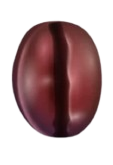
Medium-Dark Roast
Medium-dark roasts are ideal for those looking for something slightly stronger in flavour than medium, but not quite as bitter as dark roast coffee. Coffee beans reach a temperature of between 225°C - 230°C (roasted into or just past the second crack at 224°C).
Look and feel: Darker in colour, with some oil on the surface of the bean.
Flavour and palate: A bold, intense cup with pronounced roast character and lower acidity. Bittersweet, smoky, or dark chocolate notes.
Brewing methods: Ideal for espresso, French press, or cold brew.
Ideal for: Coffee drinkers who enjoy a complex, more intense flavour.
Medium-dark roasts include: NESCAFÉ Original with its rounded, full flavour that’s universally loved.
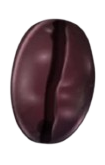
Dark Roast
Dark roast coffee is the boldest and least acidic roasting profile. Reaching a temperature of between 240°C - 250°C, these beans are roasted well past the second crack.
Look and feel: Beans are black in colour with an oily surface.
Flavour and palate: A robust and intense flavour, with strong notes. Often contain hints of caramel, and a smoky aroma.
Brewing methods: Ideal for espresso, French press, and cold brew thanks to its heavy body.
Ideal for: Customers who want to explore very bold, strong cups with intense roast notes.
Dark roasts include: NESCAFÉ GOLD BLEND Alta Rica with its distinctive, intense flavour and smooth cacao finish.
Traditional vs Modern Roasting Methods
Traditional Roasting
The most common traditional method is drum roasting, keeping beans moving to create an even roast. This slow, even roasting is typically associated with specialty or artisan coffee roasting. It creates complex and nuanced flavours and requires the skill of an experienced roaster to avoid uneven results.
Modern Roasting
Modern methods generally rely on hot air to roast, and include…
Fluid Bed Roasting
Beans roll in a superheated stream of air passing upwards fast enough for them to behave like a fluid. The beans are immersed in a hot stream, creating a very consistent roast that’s easy to reproduce.
- Pros: The hot air draft can expel unwanted by-products like burnt chaff, undersized or broken beans – creating a cleaner roast and flavour profile. Forced air cooling in some fluid bed roasters also stops the beans from cooking further.
- Cons: High airflow may dry out the beans too quickly, and if not managed properly, can create a dull taste.
Paddle Roasting
A mechanical paddle and hot air are used to keep the beans moving. After this, cooled water is usually added to halt the roasting process at the correct roast level.
- Pros: A moving paddle helps beans from burning on the walls of the roasters, ensuring an even roast.
- Cons: It requires precise water timing. If cooling water is added incorrectly, it can affect final flavour quality.
Flavour and Aroma Development
Roasting in these different ways and different temperatures affects coffee flavours and aromas.
Traditional drum roasting relies on conductive heat transfer, developing a richer, more complex flavour profile. Hot air roasts use convective heat – creating a sweeter and cleaner taste.
As we’ve explored above, exposing coffee beans to different temperatures and roast timings create physical reactions between compounds found in the beans, resulting in varying aromas and notes. Lower temperatures release bright, fruity, and acidic notes. Higher temperatures unlock smokier, more intense roasting profiles.
Coffee origin also plays a huge role in flavour and aroma. Click here to read more about how factors such as soil quality and the weather can contribute to a delicious cup of coffee.
Choosing the Right Roasts for Your Business
To choose the right roasts for your environment, key considerations include available brewing methods and the variety of roasts you wish to provide. Below are some helpful starting points for pairing roast types with brewing methods:
- Bright and fruity: Light roasts for pour-over or AeroPress, highlighting zesty, floral notes.
- Balanced and sweet: Medium roasts for drip, espresso, or French press, with caramel or nutty flavours.
- Bold and intense: Medium-dark or dark roasts for espresso or cold brew, delivering smoky depth.
As we’ve discovered, roast levels influence coffee strength. Offering a variety of light and bright alongside darker, bolder roasts creates options for everyone’s tastes. Consider a medium roast as the smooth, ‘crowd-pleaser’, with light and darker roast options for those who enjoy alternative flavour profiles.
Conclusion
The coffee roasting process offers insight into the artistry and science behind every cup. Each roast level profoundly transforms the coffee bean’s flavour, body, and acidity.
These different coffee roast types highlight that there is no single ‘best’ roast. 15% of UK adults drink coffee out of home each week3, each with unique preferences and coffee drinking habits. The key is offering roasts to suit different individual tastes through a mix of brewing methods, to create the most memorable coffee moments.
To discover more about NESCAFÉ’s different roast types and solutions, visit https://www.nestleprofessional.co.uk/brands/nescafe or get in touch with the team.
Common Questions and Considerations
What is the difference between coffee roasting and brewing?
Roasting is a preparation method for the beans, whereas brewing is the process of extracting coffee from them. Click here to discover more about brewing methods and techniques.
How does coffee roasting affect caffeine levels?
The amount of caffeine in each bean is roughly the same from light to dark roasts. Click here to read how different factors (such as coffee bean varieties, grind size, and how coffee is brewed) impact caffeine levels.
What is the sweetest-tasting coffee roast?
Medium roasts, with caramelised sugars, offer sweet, chocolatey notes.
Which coffee roast is not bitter?
Light roasts are least bitter, with bright, acidic flavours.
What happens if you roast coffee too fast?
Roasting coffee too fast burns or dries out the beans too fast, resulting in flat or scorched flavours.
How does the roasting process affect flavour?
Roasting alters acidity and body, with first crack and second crack shaping bright or bold tastes.
How long does the roasting process take?
Typically 10–20 minutes, plus a few minutes for cooling.
Why do you let coffee beans rest after roasting?
Resting for 24–48 hours releases carbon dioxide (CO2), stabilising flavours for a smoother brew.


