

Coffee: Facts and Myths
Coffee has universal appeal. From morning to night, and summer through winter, it remains one of the most requested drinks on menus across the UK.





With around 98 million cups enjoyed every day1, coffee is more than a habit – it’s a category full of choice, conversation and opportunity.
Consumers are more curious than ever about what’s in their cup. So, let’s separate coffee facts from coffee myths, and help you serve with confidence.
Quick coffee facts
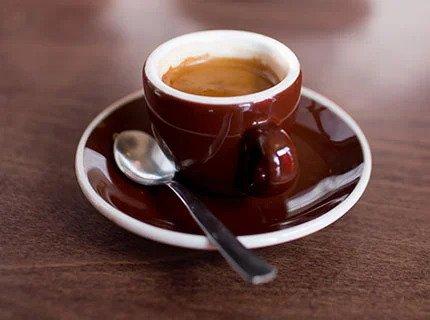
Where did coffee come from?
Legend says coffee was discovered in Ethiopia, when a goat herder noticed his goats becoming unusually lively after eating berries from a nearby bush2. Curious, he tried them himself – and a global coffee culture began.
What are the main types of coffee bean?
The two most widely used coffee beans are Arabica and Robusta. Arabica is generally grown at higher altitudes and is known for a smoother, more nuanced flavour. Robusta grows best at lower altitudes and is often associated with a stronger, more intense taste.
How much caffeine is in coffee?
Caffeine content varies depending on the drink, the bean and the preparation method. As a guide, a mug of instant coffee typically contains around 100mg of caffeine3, while a mug of filter coffee contains around 140mg.
See the table below for a quick breakdown of the typical caffeine content for common foods and drinks:
| Beverage | Typical caffeine content |
|---|---|
| 1 mug of instant coffee | 100mg |
| 1 mug of filter coffee | 140mg |
| 1 mug of tea | 75mg |
| 1 can of cola | 40mg |
| 1 x 250ml energy drink | 80mg |
| 1 x 50g bar of plain chocolate | 25mg |
| 1 x 50g bar of milk chocolate | 10mg |
What is decaf coffee?
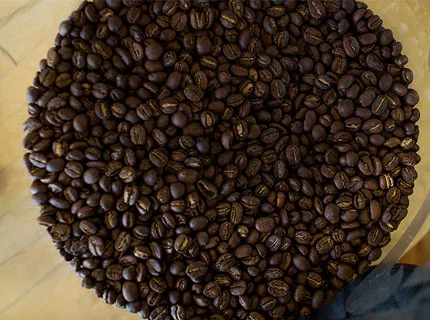
Decaf coffee is made by removing nearly all the caffeine from the beans before roasting. It offers the familiar flavour of coffee, with far less caffeine, making it a useful option for customers who want a lighter choice later in the day.
How does decaffeination work?
Decaffeination removes caffeine from the beans before the coffee is made. In water-based methods, the green coffee beans are soaked, the caffeine is extracted, and the process is repeated until most of the caffeine has been removed. The beans are then re-soaked to help retain flavour compounds before drying and roasting.
Can coffee be part of a balanced diet?
Yes. Coffee can be enjoyed as part of a balanced diet and is included in the Government’s Eatwell Guide4. For many adults, it can be part of a varied food and drink offer when served thoughtfully.
How can you reduce calories in coffee drinks?
There are several simple ways to support customers who want lower-calorie options. You can offer lower-fat milks such as skimmed milk powder, include plant-based alternatives such as soy or almond, serve coffee without added sugar, provide sugar-free or reduced-sugar syrups, and share calorie information clearly so customers can choose with confidence.
Growing interest in wellness and low-caffeine alternatives is one of several trends expected to influence the future of coffee.
Common coffee myths
Does coffee dehydrate you?
No. While caffeine can have a mild diuretic effect, the fluid in most coffees outweighs this. However, in normal serving sizes, coffee does contribute to daily fluid intake.
Is coffee bad for you?
Not necessarily. For healthy adults, caffeine can be enjoyed in moderation. The general guideline is around 400mg of caffeine a day5, which is roughly equivalent to 4 cups of instant coffee.
Can pregnant women drink coffee?
Yes, but intake should be limited. Pregnant women are advised to have no more than 200mg of caffeine per day6, which is around 2 cups of instant coffee.
Does coffee sober you up?
No. Caffeine may help you feel more alert, but it does not lower blood alcohol levels or improve coordination. If someone has been drinking alcohol, they are still impaired.
Does espresso contain more caffeine than drip coffee?
Not always. Espresso is more concentrated, but a typical shot usually contains less total caffeine than a full mug of drip coffee. It may feel stronger because it is served in a smaller volume.
Explore our instant coffee range and commercial coffee machines pages to discover practical solutions for your business. Whether you want speed, consistency or café-quality results, Nestlé Professional has the right coffee choice to help you serve every cup with confidence.
References
https://balancecoffee.co.uk/blogs/blog/coffee-consumption-statistics-uk
https://www.healthline.com/nutrition/how-much-caffeine-in-coffee
https://www.nhs.uk/live-well/eat-well/food-guidelines-and-food-labels/the-eatwell-guide/