

Welcome to Seattle’s Best Coffee®

Who We Are
At Seattle’s Best Coffee®, we like to keep things simple because great‑tasting coffee shouldn’t feel complicated. Our approach starts with high‑quality beans, roasted just right, so you can serve smooth, enjoyable coffee to every customer, every day.
What Makes Us The Best?


• Opened at Pike Place Market
• Welcomed Henry the Cat, who inspired Henry’s Blend

• Moved roasting to Vashon Island
• Introduced our first flavoured coffees

• Officially adopted the Seattle’s Best Coffee® name
• Launched our first website

• Expanded into grocery stores nationwide
• Partnered with major brands to reach new customers
• Opened 100+ new drive‑thrus in key regions

In 2022, joined Nestlé to continue expanding our reach and innovation

About Our Coffee
Every Cup Matters
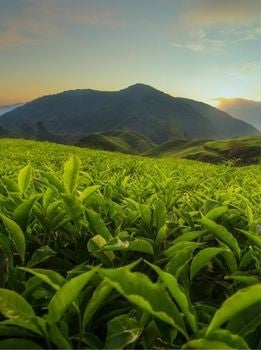
A key part of Nestlé’s Net Zero commitment by 2050 is encouraging regenerative farming practices. Seattle’s Best Coffee is proud to be a part of this. Nestlé has begun reforestation activities near the Amazon basin where our coffee is grown by planting an initial 30,000 new native trees in Peru. You can make delicious Seattle’s Best Coffee for your customers knowing that this action is taking place
Growing, Harvesting & Processing The Best
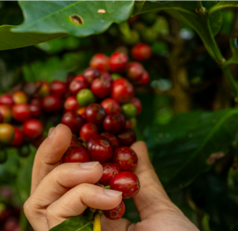
Growing
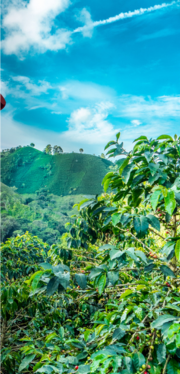
A single coffee tree produces enough ripe cherries each year for about a pound of roasted coffee, which is why quality matters. There are two main coffee species, but we choose to work exclusively with high quality Arabica. These beans grow best at elevations above 3,000 feet, where cooler climates help them develop the smooth, balanced flavour that comes to life through our roasting process.
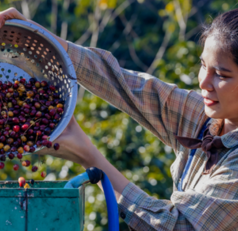
Harvesting
During harvest, the coffee cherries turn bright red, signalling the beans inside are ready. Each cherry contains several layers: skin, fruit, mucilage, parchment, and silverskin. All of which protect and influence the bean before processing begins. Most cherries hold two beans, but some develop a single round “peaberry,” prized for its unique shape and flavour.
Processing
The way coffee is processed after harvest plays a major role in shaping flavour, acidity and body. Four main methods are commonly used:
Washed Process
Cherries are pulped, fermented, rinsed and then dried, creating a clean, bright flavour profile.
Semi‑Washed Process
Pulp is removed, beans are washed and partially dried, then finished in the sun for a balanced, gentle flavour.
Natural Process
Whole cherries dry in the sun before the fruit and parchment are removed, producing sweeter, fuller, fruit‑forward notes.
Honey Process
Part of the sticky mucilage layer is intentionally left on the bean, giving the coffee a rich, sweet character; variations like yellow, red or black honey reflect how much mucilage remains.